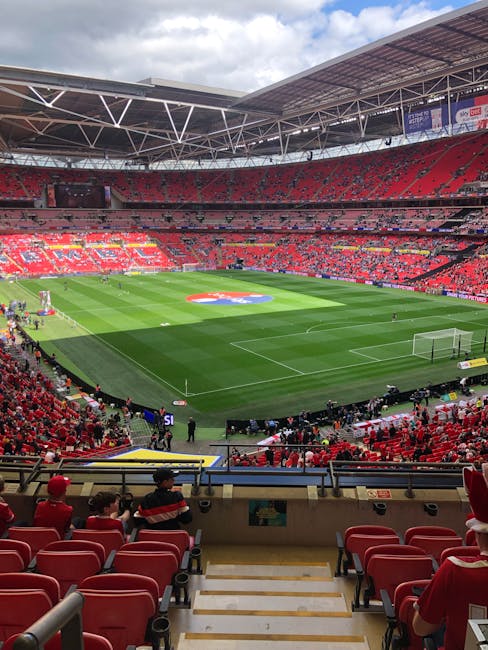
Event carpet cleaning Twickenham Stadium for venues
Big events leave a different kind of mess. It is not just the visible spill on the aisle carpet or the muddy footprints near the entrance. At a busy venue like Twickenham Stadium, the real challenge is the scale: heavy footfall, drinks dropped during the rush, fibres flattened by hours of traffic, and tight turnaround times before the next crowd arrives. That is where event carpet cleaning Twickenham Stadium for venues becomes less of a nice-to-have and more of an operational necessity.
If you manage a stadium, hospitality suite, corporate event space, conference area, or multi-use venue, you already know the pressure. The carpet has to look clean, smell clean, and feel fresh without disrupting the next booking. In this guide, we break down how the process works, what makes venue cleaning different, and how to avoid the sort of little mistakes that quietly create bigger problems later. Simple, practical, and grounded in the reality of event days.
Contents
- Why event carpet cleaning matters
- How the cleaning process works
- Key benefits and practical advantages
- Who needs this service and when it makes sense
- Step-by-step guidance
- Expert tips for better results
- Common mistakes to avoid
- Tools, resources and recommendations
- Law, compliance and best practice
- Options, methods and comparison table
- Case study or real-world example
- Practical checklist
- Conclusion
- Frequently asked questions
Why Event carpet cleaning Twickenham Stadium for venues Matters
Venue carpets work harder than most people realise. A stadium carpet might only look "a bit tired" after an event, but under the surface it can hold grit, moisture, tracked-in debris, food residue, and odours. Left too long, those particles act like sandpaper under shoes and wheels. The carpet starts to look dull, then worn, then oddly patchy. You notice it most under strong daylight or bright event lighting. Not ideal when guests are arriving in smart clothes and taking photos everywhere.
For venues, presentation is not vanity. It is part of the experience. Visitors often judge the whole building by the first few steps inside. Clean carpet says the venue is organised, cared for, and ready. Dirty carpet does the opposite, even if the rest of the space is immaculate. That can affect guest confidence, sponsor impressions, and even staff morale. Nobody wants to set up an event surrounded by stale smells and sticky patches, let's face it.
There is also a practical reason. Event cleaning is often time-sensitive, so you need a process that removes marks quickly without making the space unusable for too long. That is why many venue managers pair commercial carpet cleaning with broader commercial cleaning when planning post-event resets. It helps keep carpets, entrances, and adjacent spaces aligned rather than treating each area as an afterthought.
Key takeaway: In a high-footfall venue, carpet cleaning is not just about appearances. It is about safety, odour control, guest experience, and protecting the floor covering from premature wear.
How Event carpet cleaning Twickenham Stadium for venues Works
The best approach depends on the type of event, the carpet fibre, the soil level, and the time available. A good venue clean usually starts with a quick but careful inspection. That sounds basic, but it saves a lot of trouble later. You check for isolated stains, high-traffic lanes, chewing gum, food spills, and any areas that are damp or vulnerable to over-wetting.
From there, cleaners usually work through a staged process:
- Dry soil removal - vacuuming or agitation lifts grit and loose debris before moisture is introduced.
- Spot and stain treatment - targeted solutions are used on visible marks so they do not set during the main clean.
- Deep cleaning method - often hot water extraction or a suitable low-moisture method, depending on the carpet and the deadline.
- Detail work - edges, corners, and traffic lanes are given extra attention because that is where dirt likes to hang around.
- Drying and ventilation - airflow, extraction, and careful scheduling help the carpet return to service faster.
On stadium and venue floors, speed matters, but not at the expense of the result. If carpets are cleaned too aggressively, you can end up with lingering moisture, reappearing stains, or uneven finish. If they are cleaned too lightly, the venue looks tidy for a day and then the old problems return. In our experience, the sweet spot is a method matched to the event type rather than a one-size-fits-all treatment.
For heavily used areas such as foyers, seating walkways, hospitality spaces, and staff corridors, many venues also benefit from periodic steam carpet cleaning or specialist stain removal where marks have gone beyond routine maintenance. If odours are part of the issue, especially after food service or wet weather traffic, a more targeted approach may be needed.
Key Benefits and Practical Advantages
There are the obvious benefits, and then there are the quieter ones that matter just as much in venue management.
- Better presentation: Clean carpets help the whole venue feel sharper and more premium.
- Improved hygiene: Removing embedded dirt and residue supports a cleaner environment for guests and staff.
- Reduced odours: This is a big one after food-led events, drink receptions, or wet-weather foot traffic.
- Longer carpet life: Regular care helps reduce fibre damage from grit and abrasion.
- Faster turnaround: Well-planned cleaning means less downtime between events.
- Better safety: Clean, dry carpets are less likely to contribute to slips or sticky underfoot areas.
- Brand consistency: A tidy venue supports the feeling of professionalism people expect in premium event spaces.
There is also a commercial advantage that is easy to overlook. A venue that looks well maintained tends to be easier to sell internally and externally. Operations teams trust the space more. Event organisers notice the standard. Guests may not mention the carpets directly, which is exactly the point. They just notice that everything feels in order.
For large venues that regularly host changing layouts and specialist setups, it can also be useful to combine carpet cleaning with deep cleaning or targeted one-off cleaning ahead of major fixtures, conferences, exhibitions, or hospitality nights. Not every event needs the same level of intervention, but the venue always needs a plan.
Who This Is For and When It Makes Sense
This service is for anyone responsible for keeping a venue usable, presentable, and safe after heavy footfall. That includes stadium operations teams, venue managers, facilities contractors, event production companies, hospitality coordinators, and commercial landlords overseeing event-facing space.
It makes sense when:
- there has been a high-traffic event with food and drink service
- carpeted areas are visibly marked, damp, or flattened
- there is a strong odour after a busy evening or all-day event
- the venue has VIP or client-facing areas that need a premium finish
- a routine maintenance clean is due before the next calendar block
- the venue needs to hand over a space quickly and professionally
Sometimes the need is obvious. A glass of red wine spills, someone tracks mud in from a rainy car park, and suddenly there is no mystery at all. Other times it is subtler. The carpet in a hospitality lounge just starts to look flat and grey, especially under evening lighting. That is usually the clue that the fibres need a proper reset, not another quick vacuum.
Venue teams planning seasonal schedules often build in carpet cleaning alongside office cleaning or regular cleaning for back-of-house and admin areas. That wider approach helps keep the whole operation consistent, which is rather handy when the public areas and staff areas are both under pressure.
Step-by-Step Guidance
If you are organising event carpet cleaning for a venue, a simple structure makes the whole job easier. Here is a practical sequence that works well in real life.
- Assess the space
Walk the route your guests actually used. Don't just inspect the lobby. Check entrances, stair landings, corridors, hospitality suites, and any spill-prone zones near catering. - Identify the carpet type
Different fibres respond differently to moisture, heat, and cleaning chemistry. A quick test patch is often sensible before a wider clean. - Prioritise the worst areas
Deal with heavy traffic lanes, stains, and odours first. This gives the biggest visual return for the effort. - Choose the method
Hot water extraction, low-moisture cleaning, and specialist spot treatment each suit different conditions. Match the method to the deadline and the carpet condition. - Allow for drying time
Build in enough ventilation and access control so the carpet is not walked over too early. That is one of those boring details that saves everyone a headache later. - Check the finish
Look at the carpet under strong light if possible. What seems fine in a dim corridor may look a little different at 9 a.m. with daylight pouring in.
If a venue has mixed flooring, it can help to plan the carpet work alongside hard floor cleaning for adjoining spaces. Thresholds and transition areas often reveal the true standard of the site, and they are easy to miss when teams focus only on the "main" rooms. Truth be told, that bit catches people out all the time.
Expert Tips for Better Results
The difference between a decent clean and a genuinely strong result is often in the detail. A few small habits make a big difference.
- Vacuum before wet cleaning. It sounds obvious, but removing dry grit first protects the carpet and improves the final finish.
- Attack stains early. The longer a spill sits, the more likely it is to bond to the fibre.
- Use airflow properly. Open routes, fans, and sensible scheduling matter more than people expect.
- Protect cleaned areas. Put down controls or signage if staff and contractors need to cross the space before it is fully dry.
- Keep a stain log. If the same marks keep appearing, the venue may have a layout or service issue, not just a cleaning issue.
- Clean from the edges inward. It helps avoid re-soiling newly cleaned sections.
One thing we often see in busy venues is over-reliance on spot masking. It can make a stain less visible for a while, but it rarely solves the underlying issue. A clean carpet should look clean, not merely less embarrassing. There is a difference, and venue guests can usually tell.
For soft furnishings in adjoining hospitality areas, it may be worth pairing carpet work with upholstery cleaning or curtain cleaning so the whole room feels refreshed rather than half-done. In event spaces, odour and dust do not respect boundaries much.
Common Mistakes to Avoid
Most venue carpet issues are not caused by a single huge error. They come from a handful of small mistakes repeated over time. The good news? They are avoidable.
- Waiting too long after the event. Once stains dry into the fibres, removal gets harder.
- Using too much water. Over-wetting can lead to slow drying, wicking, and a musty smell.
- Skipping dry soil removal. If grit stays in the pile, it keeps wearing the carpet down.
- Cleaning only the visible centre areas. Edges, corners, and entrances often hold the worst soil.
- Choosing speed over method. Fast is good. Rushed is not the same thing.
- Failing to coordinate access. Nothing ruins a clean faster than someone walking through wet fibres with muddy shoes.
A smaller mistake, but a costly one, is not checking the carpet after drying. Some stains reappear as moisture moves upward through the pile. If you do not inspect the area later, you may think the clean has failed when it simply needs a second, targeted pass. Annoying, yes, but manageable.
Tools, Resources and Recommendations
You do not need a room full of gadgets to maintain venue carpets well, but the right kit helps.
| Method or tool | Best for | Strengths | Watch-outs |
|---|---|---|---|
| Commercial vacuuming | Routine maintenance and dry soil removal | Fast, low disruption, good first-line protection | Won't remove set stains or deep residue |
| Hot water extraction | Deep cleaning of high-traffic carpeted areas | Strong soil removal, good for event reset work | Needs proper drying and scheduling |
| Low-moisture cleaning | Quick turnaround or sensitive areas | Shorter drying time, less downtime | May need more frequent maintenance |
| Targeted stain treatment | Food, drink, grease, and spot spills | Focused, efficient, preserves the rest of the carpet | Needs correct product choice and testing |
As a venue manager, the most useful resource is often a reliable service plan rather than a single emergency clean. A proper maintenance schedule reduces panic calls and helps you budget with more confidence. If you are comparing options or planning a larger programme, the pricing and quotes page is the sensible place to start, while about us can help you understand who is handling the work.
And because venue work can be sensitive, it is worth checking practical safeguards too. Insurance and safety and the health and safety policy matter more than many people think, especially where public access, staff movement, or out-of-hours work is involved.
Law, Compliance, Standards, or Best Practice
For venue carpet cleaning, the main compliance theme is not a single dramatic rule. It is a combination of sensible workplace practice, public safety awareness, and good contractor control. In the UK, venue operators commonly need to think about risk assessments, safe chemical handling, clear access routes, drying times, and communication with staff or event partners. If the venue is open to the public, you also want to avoid creating trip hazards or leaving wet surfaces in active walkways.
There can also be internal standards to consider. Some venues require cleaners to work around restricted areas, security checks, or time windows between arrivals. That is normal. The cleaner job is not just making the carpet look tidy; it is fitting into a live operation without causing friction. Sometimes that means early starts, late finishes, or a very quiet clean while the rest of the building is half asleep. Not glamorous, but it works.
Best practice usually includes:
- clear method statements for larger jobs
- appropriate insurance for commercial work
- careful product selection for the carpet type
- documented stain or damage reporting where needed
- safe management of cables, hoses, and access points
If sustainability is part of the venue brief, it can also help to discuss waste water handling, chemical use, and maintenance planning. The recycling and sustainability page is useful if your venue is trying to make cleaner operational choices without turning everything into a paper exercise.
Options, Methods, or Comparison Table
Different event spaces need different cleaning approaches. Here is a simple comparison that can help you decide what fits best.
| Approach | Best use | Pros | Cons |
|---|---|---|---|
| Routine maintenance clean | Between regular events or on a weekly cycle | Keeps soil build-up under control, lower disruption | Not enough for heavy staining or deep odour |
| Post-event deep clean | After large crowds, catering, or muddy weather | Restores appearance and freshness more thoroughly | Needs more downtime and planning |
| Targeted spot treatment | Small spills or isolated marks | Quick and cost-effective for minor issues | Doesn't solve widespread soil or traffic lane dulling |
| Combination clean | Large venues with mixed use areas | Balances speed, appearance, and long-term care | Requires better planning and coordination |
For most venues, the best answer is not choosing one method forever. It is matching the method to the moment. A busy corporate showcase, a match-day hospitality suite, and a quieter conference room all tell a different cleaning story.
Case Study or Real-World Example
Here is a realistic example from the kind of work venue teams often deal with. A hospitality area at a busy event space has carpeted walkways, a reception zone, and a lounge area used for drinks and client meetings. After a packed evening, staff notice three problems at once: a dark patch near the bar, flattened pile along the main walkway, and a faint stale smell the next morning.
Rather than treating it as one big emergency, the team divides the job. The walkway gets a full vacuum and deep clean, the bar zone gets targeted stain treatment, and the lounge gets a separate pass with extra drying attention. The carpet is checked again later in the day under brighter light, because that is when the true finish shows. The result is not magic. It is just good process. But the room feels ready again, which is exactly what mattered.
What stands out in that kind of job is timing. If the team had waited another day, the stain would have settled more deeply and the odour would have become harder to manage. If they had blasted the area with too much moisture, the room could have been out of use longer. The better answer was the balanced one. Boring maybe, but effective. And in venue cleaning, effective beats dramatic every time.
Practical Checklist
Use this checklist before and after event carpet cleaning at Twickenham Stadium or any similar venue.
- Walk the event route and identify the real problem areas
- Note fresh spills, dried stains, and odour hotspots
- Check access windows, security needs, and event timetable
- Confirm the carpet type and any sensitive areas
- Vacuum or remove dry soil before wet cleaning begins
- Treat stains before the main clean where appropriate
- Choose a cleaning method that fits the deadline and carpet condition
- Allow time for proper drying and ventilation
- Inspect edges, corners, thresholds, and traffic lanes
- Document any recurring stains or wear patterns for future planning
If the venue also has communal circulation spaces, it may be worth considering communal area cleaning so the event-facing areas and support spaces feel consistent. Little details add up. They always do.
Conclusion
Event carpet cleaning Twickenham Stadium for venues is about more than removing marks after a busy day. It is about protecting an expensive surface, keeping guest-facing areas presentable, and making sure the venue can turn over smoothly for the next booking. The best results come from a calm, practical process: assess the space, choose the right method, dry it properly, and check the finish with a fresh pair of eyes.
For venue managers, the big win is not just a cleaner carpet. It is less stress, fewer surprises, and a space that feels ready the moment people walk in. That kind of readiness is hard to fake. You can smell it, see it, and feel it straight away.
If you are planning a post-event reset, the smartest next move is to get a tailored quote and line up the cleaning around your schedule rather than forcing the schedule around the cleaning. Much easier on everyone.
Get a free quote today and see how much you can save.
And if there is one final thought worth keeping, it is this: a venue that looks cared for tends to stay cared for.
Frequently Asked Questions
What does event carpet cleaning for venues usually include?
It usually includes vacuuming, spot treatment, deep cleaning where needed, edge work, and drying support. In a venue setting, it often also includes planning around access times and guest movement.
How quickly can carpets be cleaned after an event?
That depends on the venue size, the soil level, and the method used. Small targeted cleans can be done quickly, while larger post-event cleans may need a longer window for drying and safe access.
Is steam cleaning suitable for stadium or venue carpets?
Often yes, but only when the carpet type and timeline suit it. Steam carpet cleaning can be effective for deeper soil removal, though some venues may benefit from a lower-moisture method if turnaround is tight.
What if there are drink spills and food stains?
Those should be treated as early as possible. Fast stain treatment usually gives the best chance of removing the mark cleanly without spreading it or setting it deeper into the fibre.
Can venue carpet cleaning help with odours?
Yes, especially when odours come from spills, moisture, or heavy foot traffic. A proper clean can reduce lingering smells, but the source of the odour should always be identified first.
How do I know whether I need deep cleaning or just spot cleaning?
If the issue is isolated and fresh, spot cleaning may be enough. If the carpet looks dull overall, has traffic lanes, or smells stale, a deeper clean is usually the better choice.
Will cleaning damage delicate carpet fibres?
It should not if the method is matched to the carpet and tested properly first. The main risk usually comes from using the wrong chemistry, too much water, or too much agitation.
How often should a busy venue have carpets professionally cleaned?
There is no fixed rule because it depends on footfall, event type, and maintenance standards. Busy event spaces often need a mix of regular upkeep and scheduled deeper cleans.
What should I prepare before the cleaning team arrives?
Clear access routes, note any sensitive areas, identify recent spills, and make sure the schedule allows enough drying time. A quick handover helps the job go smoothly.
Can carpet cleaning be coordinated with other venue cleaning tasks?
Yes, and that is usually the best way to do it. Carpets often sit alongside floor care, upholstery, windows, and other venue-facing tasks, so a joined-up plan saves time and avoids duplicated work.
What if the carpet keeps showing the same stain again?
That can happen when moisture or residue rises back through the pile. It usually means the stain needs a more targeted treatment or a second review after drying.
How do I get a quote for a venue clean?
A proper quote usually starts with the size of the area, the carpet condition, the timing, and any access requirements. You can also review the company's payment and security information if you want to understand how bookings and transactions are handled.